



Flange Adaptor
Overview
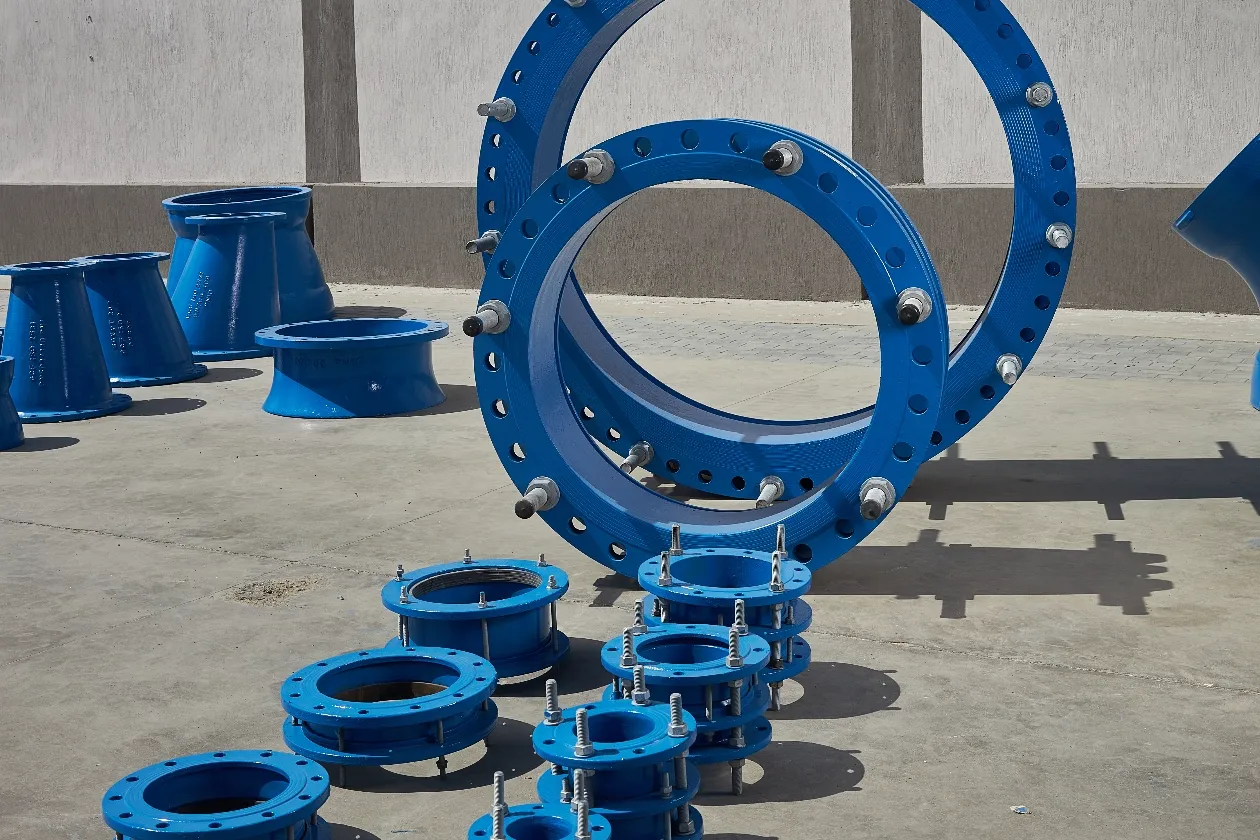
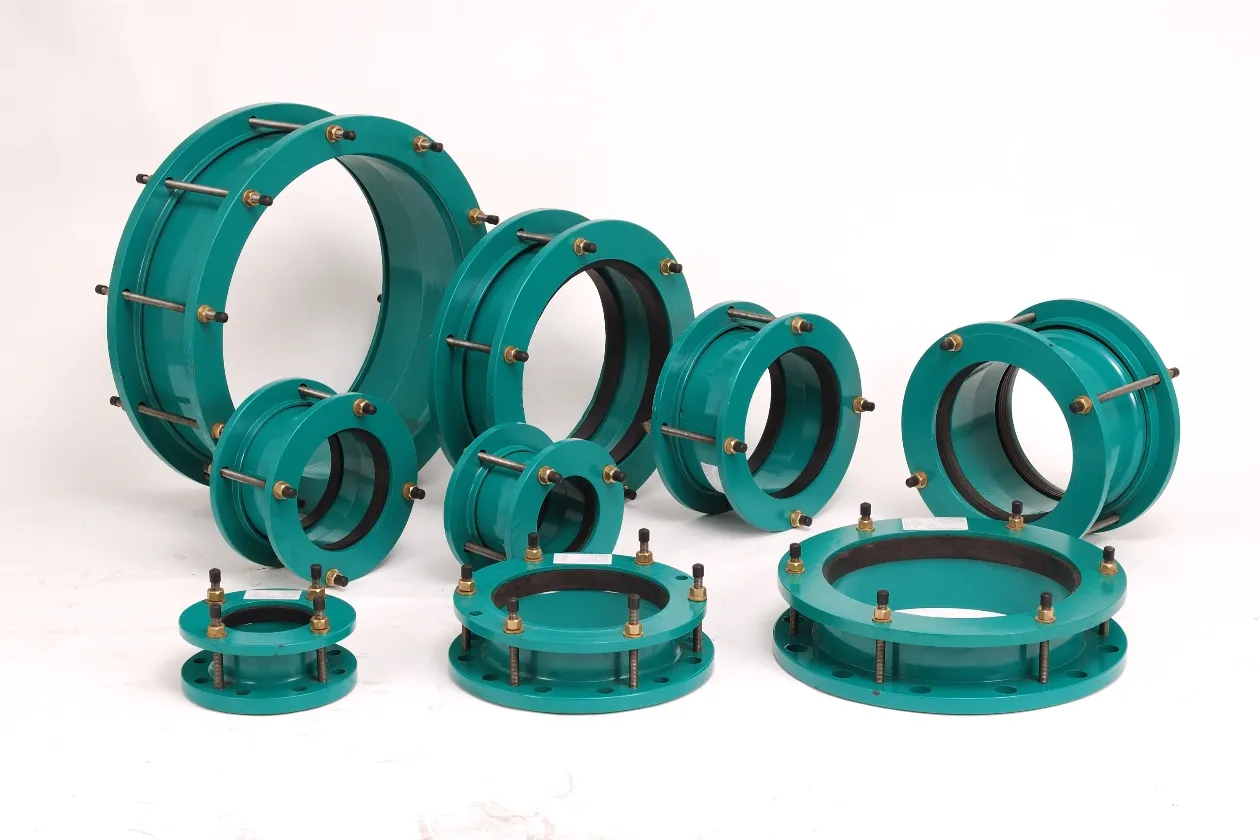
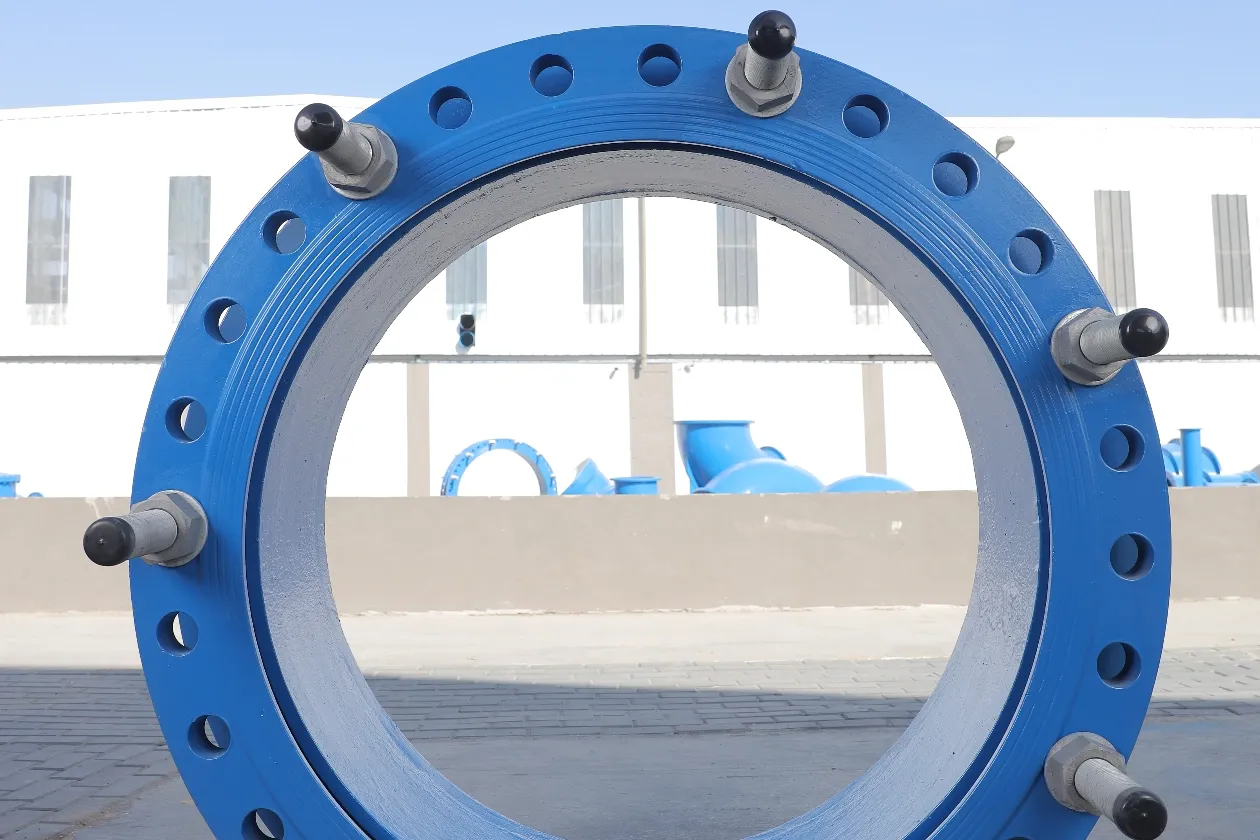
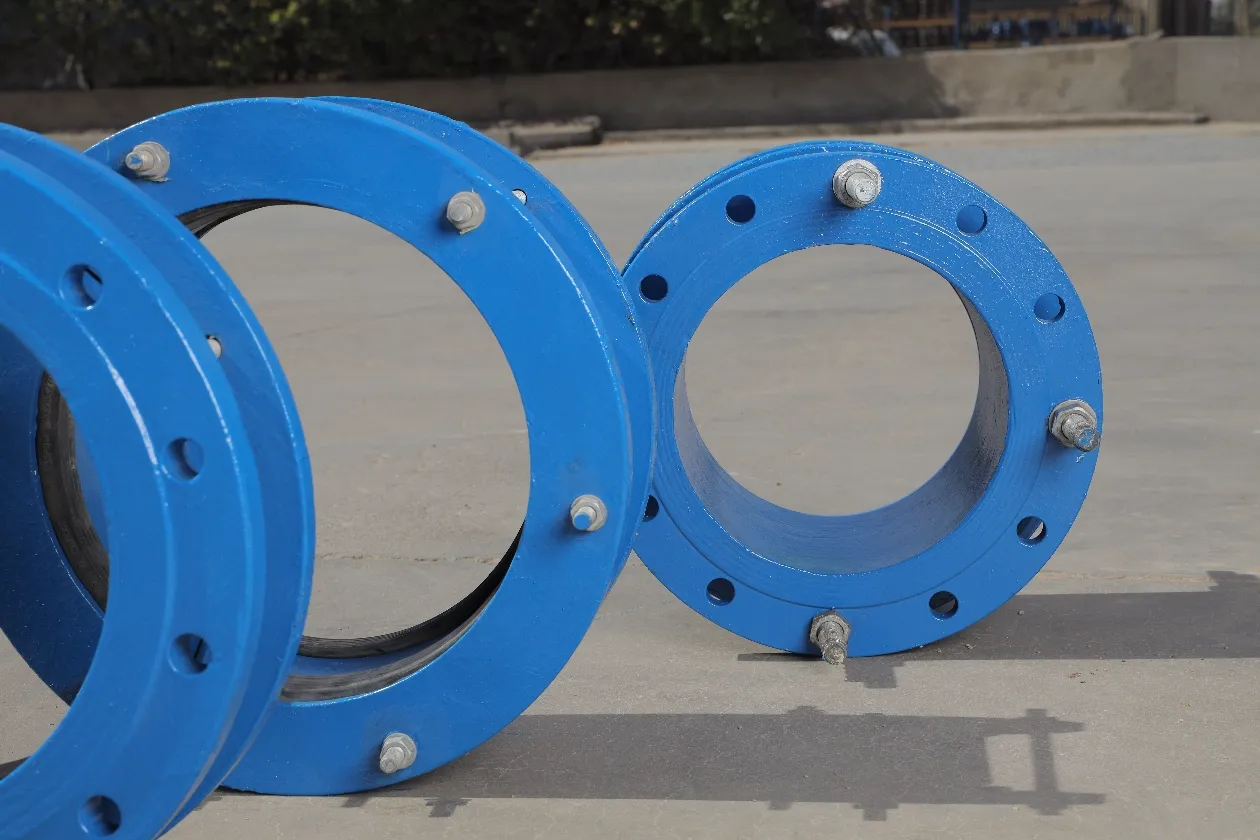
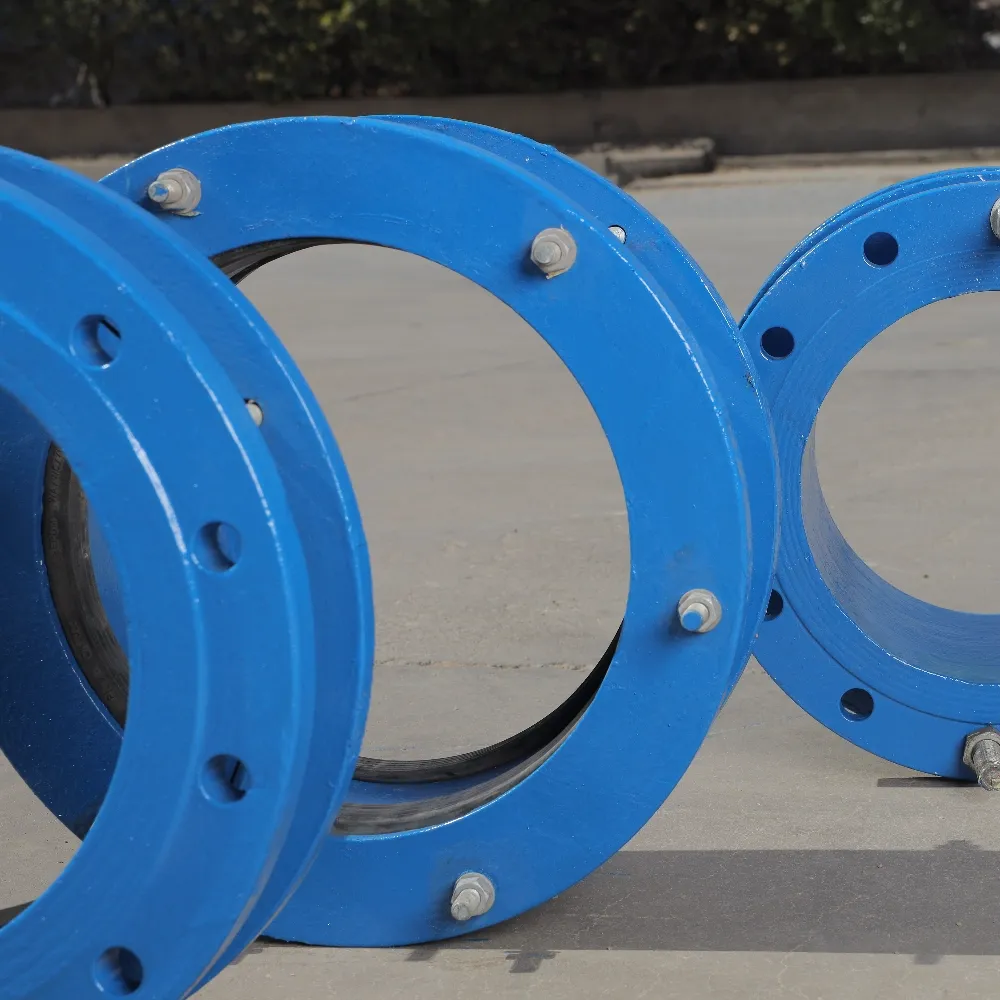
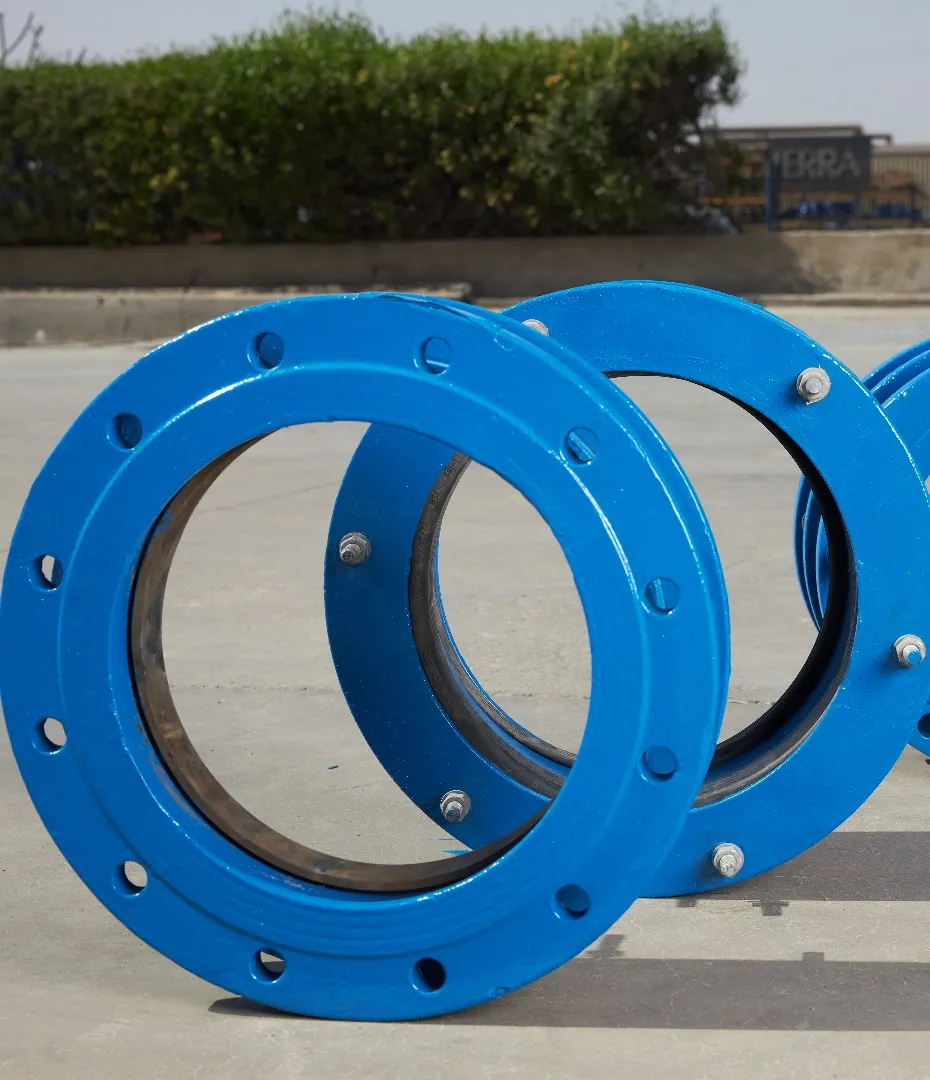
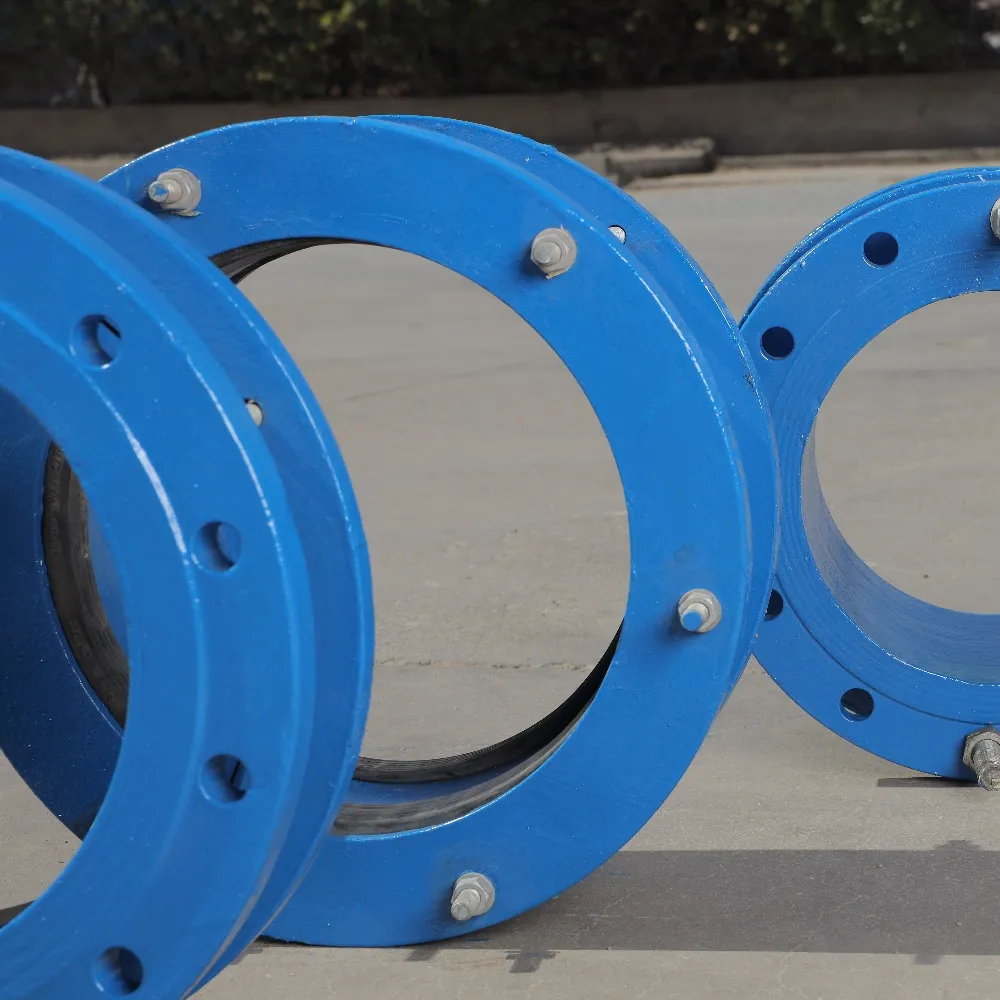
Flanged adaptor are the fast and efficient way for flange installations in the field. By using ductile iron pipe cut to dimension and a flanged adaptor, you can quickly connect to virtually any faced and drilled flange. Flanged adaptor join spigot end of ductile iron pipe to flanges of valves, pumps, fittings and pipes. They require no threading or welding, and allow for pipe misalignment. The set screws eliminate additional restraining connections and prevent blow-off. Set screws should be tightened to 95 N. m torque.

Key Features
Applications
Pumping stations
Water treatment works
Sewage treatment work
Washing and Air chambers
Products Details
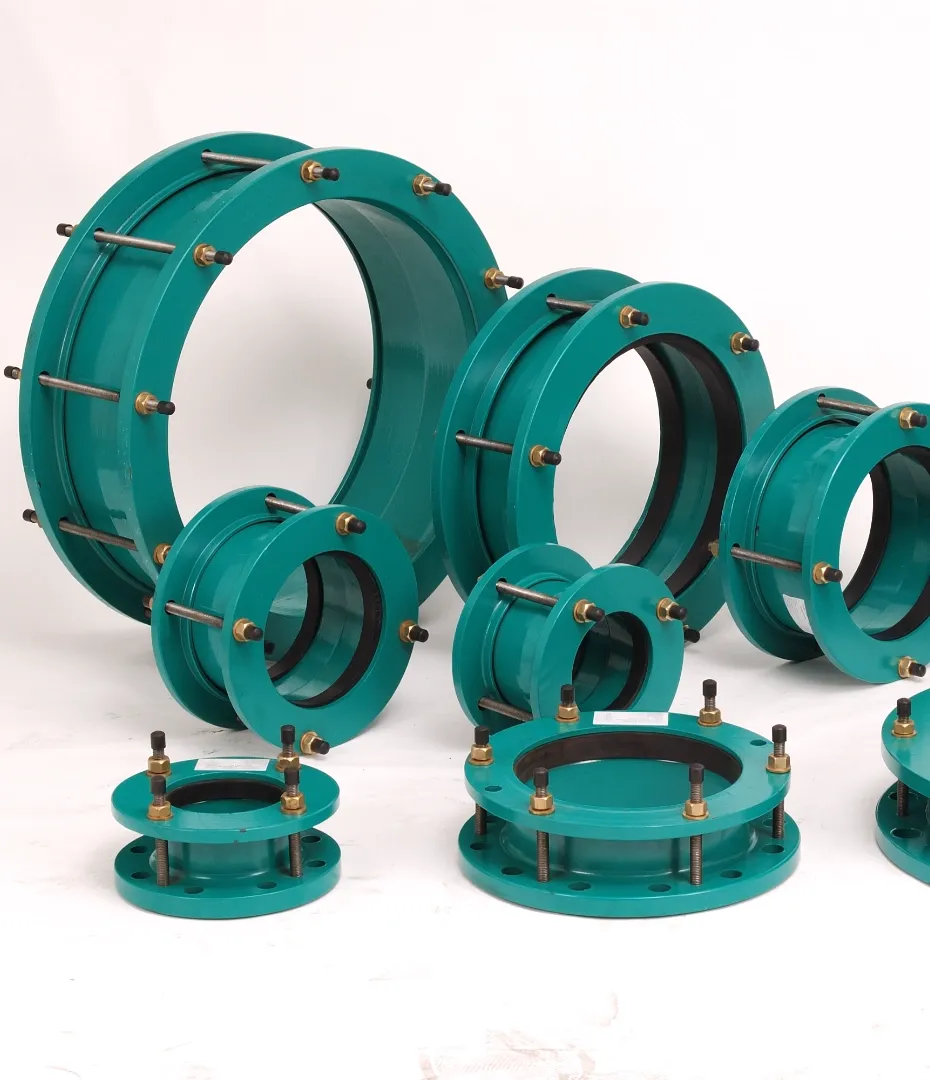
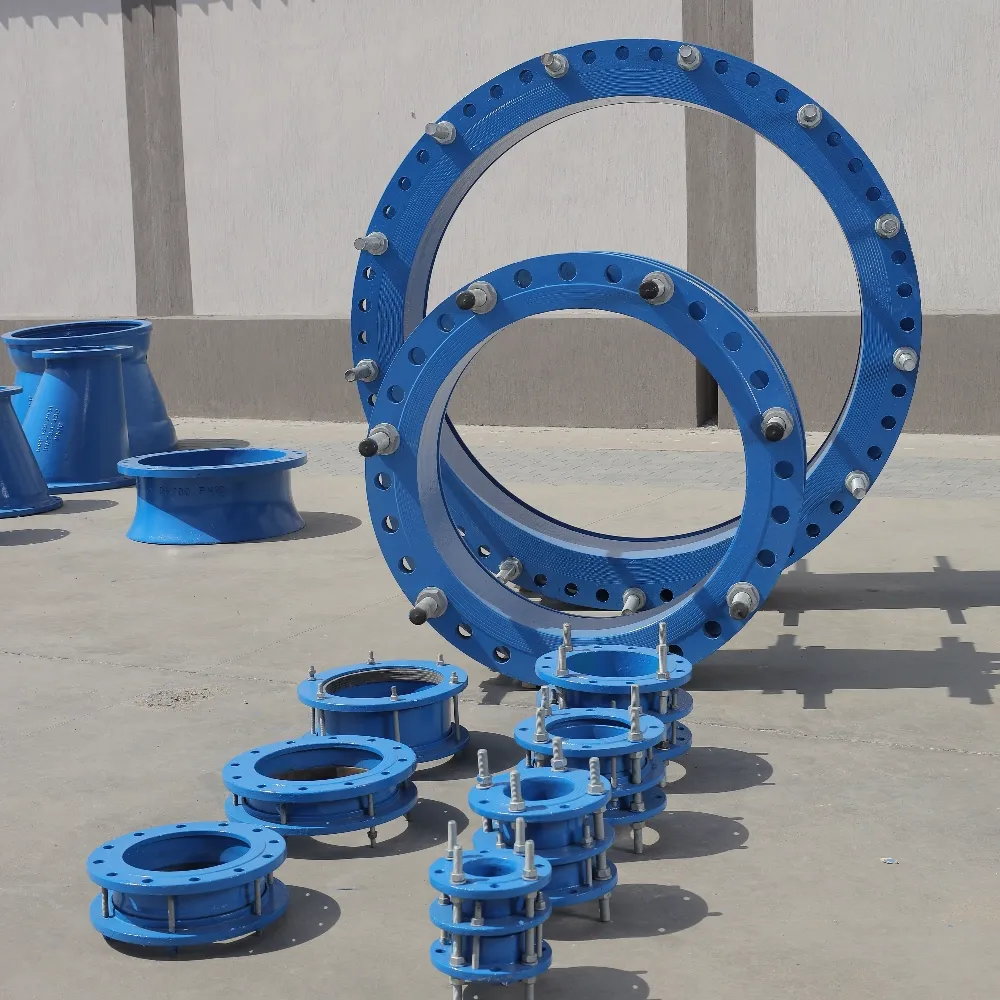
Comprehensive range
Available from DN80 to DN2600 with virtually any flange drilling or pressure rating supplied.
Installation Instructions
Pipe End Preparation
Ensure pipe ends are smooth, round, defect-free, and within tolerance, free from rust, scale, or debris for optimal coupling performance.
Sealing Gland Positioning
Slide the sealing gland into the pipe end to prepare for secure gasket installation.
Gasket Selection & Placement
Verify that the gasket grade matches the conveyed medium, then insert it between the gland and pipe end.
Flanged Adaptor Alignment
Position the adaptor onto the pipe end, adjust the setting gap, and ensure concentric alignment with the mating flange bore.
Bolt Orientation Control
Assemble bolts with heads facing the adaptor’s gland to avoid misalignment and ensure correct installation.
Flange Connection Security
Fit and center the flange gasket, then bolt the adaptor to the mating flange using standard procedures.
Controlled Torque Tightening
Gradually and evenly tighten studs in sequence, ensuring correct torque values are achieved for a leak-free, balanced seal.
Stainless Steel Protection
Apply grease to stainless steel studs/bolts (grades 304 or 316) to prevent galling and achieve proper tightening torque.
Installation Instructions 2
Setting Gap (DN80 – DN150)
Nominal size DN80 to DN150 requires a setting gap of 20 mm.
Setting Gap (DN200 – DN450)
Nominal size DN200 to DN450 requires a setting gap of 25 mm.
Setting Gap (DN500 – DN2600)
Nominal size DN500 to DN2600 requires a setting gap of 40 mm.
Stud Torque (M12)
Stud size M12 requires a torque range of 55 – 65 N·m.
Stud Torque (M16)
Stud size M16 requires a torque range of 95 – 120 N·m.
Stud Torque (M20)
Stud size M20 requires a torque range of 300 – 350 N·m.